A golden evening on Lake Ontario. Wikipedia Commons Photo.
In the last week, we have had a lot of inquiries about the upcoming Freshwater Research and Scientific Communications course. The course, which will be held on board our sailing vessel, Sea Dragon, this July. We are thrilled to tell you that the course is filling up rapidly, and as the summer approaches, we are all beginning to look forward to sunny sailing along the St. Lawrence Seaway, and through Lake Ontario.
Some people were wondering why it is that we chose to run our undergraduate course between Montreal and Toronto, Canada. It’s a good question, and one I posed recently to the course leader, Dr. Sherri (Sam) Mason.
Dr. Mason graduated cum laude from the University of Texas at Austin before completing her PhD in Chemistry at the University of Montana as a NASA Earth System Science scholar. She is currently an Associate Professor at SUNY Fredonia in the Department of Chemistry and Biochemistry. Her research interests are focused upon plastic pollution within freshwater ecosystems. In addition to her primary academic role she serves as the coordinator of the Environmental Sciences program and the Sustainability Coordinator for the SUNY FACE Center.
Dr. Mason lakeside looking for plastic particles in beach sand. Photo from WBFO's new website
Dr. Mason is a pioneer in freshwater plastic pollutions research. During the summer of 2012, Dr. Mason and a team of 20 undergraduate students aboard the tall ship Flagship Niagara, a wooden ship that’s replica vessel from the War of 1812. Dr. Mason and her crew conducted the first-ever survey for plastic pollution in the Great Lakes, using a manta trawl to collect samples within the open waters of the 3 of the 5 Great lakes (Superior, Huron and Erie).
No one knew what Dr. Mason’s team would find in the Great Lakes, but the results turned out to be shocking.Two of the 21 samples they collected contained 600,000 plastic pieces per square kilometre — nearly twice as much as the highest plastic count ever recorded in the infamous Great Pacific Garbage Patch.
This summer, as a part of Pangaea’s Freshwater Research course, Dr. Mason plans on having students collect plastic debris samples in the St. Lawrence Seaway, as well as Lake Ontario, to compare to the samples found in Lakes Superior, Huron and Erie. Lake Ontario is the furthest lake downstream in the Great Lakes, and is fed by the movement of water from Lake Erie via Niagara Falls. Mason has theorized that the highest concentrations of plastic debris could be found in Lake Ontario, and is eager to investigate.
I spoke to Dr. Mason recently about what drives her to study freshwater plastics pollution. For a more detailed interview with Dr. Mason, you can check out her interview on Dialogues TV:
Shot from Dialogues' Episode with Dr. Sherri Mason
Pangaea Explorations: What inspired you to study plastic pollution issues?
Dr. Mason: One of my favorite classes to teach is a nonmajors Environmental Chemistry course in which I get to introduce the plethora of environmental issues facing our society. I have been teach about plastic pollution in that class for ten years.
PE:What do you think are the most pressing environmental issues for the Great Lakes at the moment?
Dr. Mason: Unfortunately the most pressing environmental issues for the Great Lakes haven’t changed much. This region was the cornerstone for the industrial revolution within the US and we are still dealing with the aftermath of all that industrialization. PCBs, which were banned in the US in 1979, are still present in significant amounts, as are Dioxins, Furans, DDT and Mercury. These POP (persistent organic pollutant) species have been and continue to be a major environmental concern for this region.
The presence of plastic within the great Lakes only adds an additional layer of complexity to this issue because we know that they adsorb POPs from the surrounding water, hyper-concentrating them on their surface and thereby aiding in their ability to migrate into the food chain.
Dr. Mason on board the Tall ship Flagship NiagaraPE: What is being done to combat plastic pollutions in the Great Lakes region now?
Dr. Mason: Until our initial survey during the Summer of 2012, this wasn’t even known to be an issue. In fact a number of government officials I spoke to in advance of our expedition didn’t believe we would find anything. But we did. I don’t think anything is really being done right now to combat plastic pollution within the Great Lakes, but I hope that will quickly change.
PE:What will students be learning during the Freshwater Research Course?
Dr. Mason: We will start with just a basic overview of the Great Lakes system: how and when they were created, characteristics of each of the lakes within the system and differences between the lakes. We will then move on to basic water quality measurements (hands-on) and plastic pollution surveys. We plan (time permitting) to also discuss eutrophication, PPCPs, invasive species and environmental policies of the Great Lakes.
PE: Are there any new technologies or ideas out there that can help us tackle freshwater environmental pollution?
Dr. Mason: The best solution for any environmental problem is to start at the source of the issue. So rather than looking to new technologies to help “fix” the problem, stop the problem before it starts. Switching from modern agricultural methods (which involve using large quantities of synthetic chemicals, such as pesticides, herbicides and fertilizers) to more organic methods, for example, can do a lot with regard to current issues with algal blooms and eutrophication. Similarly, decreasing our use of single-use disposable plastic items, like bags, straws, and bottles, can dramatically reduce the amount of plastic that is in our water.
PE: What do you love about sailing in the Great Lakes?
Collecting samples on board Flagship Niagara
Dr. Mason: I lived along the shores of the Great Lakes for 10 years before I ever went out in them, and it wasn’t until I went sailing the Great Lakes for the first time that I truly appreciated them. They are amazing!
The lakes truly are beautiful, breath-taking and powerful. I think that every-single person, all 35 million of us that live within the Great Lakes watershed, should go sailing at least once on the Great Lakes.Once you’ve seen the lakes froma sail boat, you appreciate what they are- how vast, amazing and beautiful they are. From then on, you want to do anything you can to make sure they stay that way.
To learn more about the Freshwater Research and Scientific Communications Course, click here:
To read more about Dr. Sherri Mason’s 2012 Expedition, check these articles out:
Allen, Katie. November 29, 2012. “High Levels of Plastics Found in the Great Lakes”. Toronto Star Newspaper article.
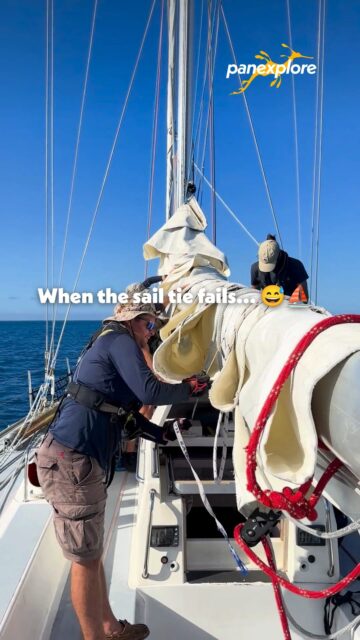
When a sail tie fails you
Expect the unexpected, stay focused, and keep moving forward on Sea Dragon
Have you ever had to do a quick fix on deck mid-sail? 💬
#Panexplore #SVSeaDragon #SailingLife #OffshoreSailing #OceanAdventure #SailingSkills #SeaLife #SailingCommunity
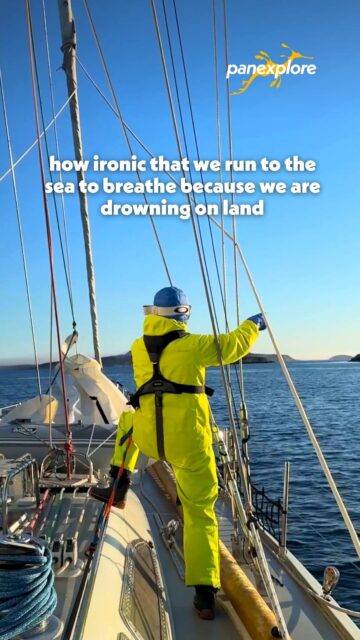
Break away from the daily noise and reconnect with what matters most. Out here on the open water, every breath is fresh, every horizon is new, and you're part of the team driving the ship forward. 🌊
Step away from the ordinary—reserve your spot at www.panexplore.com
#OceanMindset #LifeAtSea #Panexplore #SVSeaDragon
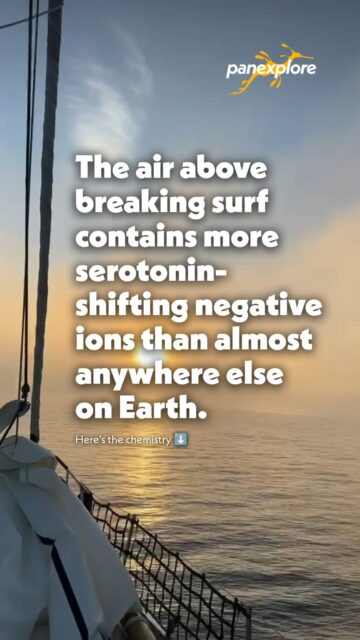
Ever wondered why you feel instant clarity out at sea? Breaking ocean waves release negative ions that elevate serotonin levels, reducing stress and boosting mood naturally. Beyond the science, it's pure freedom 🌊
Reset your mind on our next voyage—book your cabin at www.panexplore.com
#OceanTherapy #SailingAdventure #Panexplore #Exploration #Seas
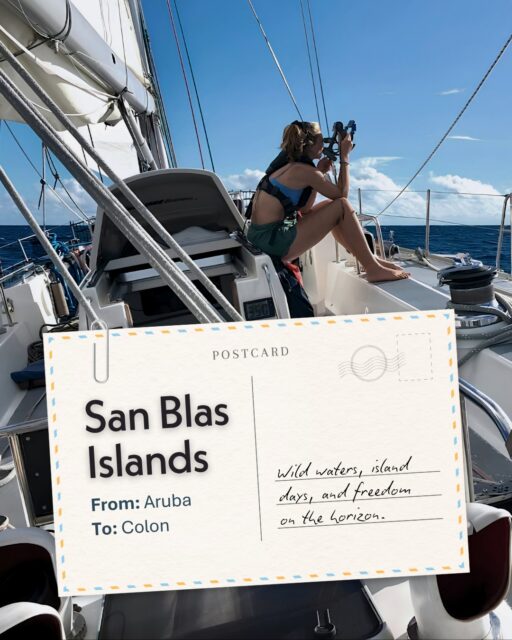
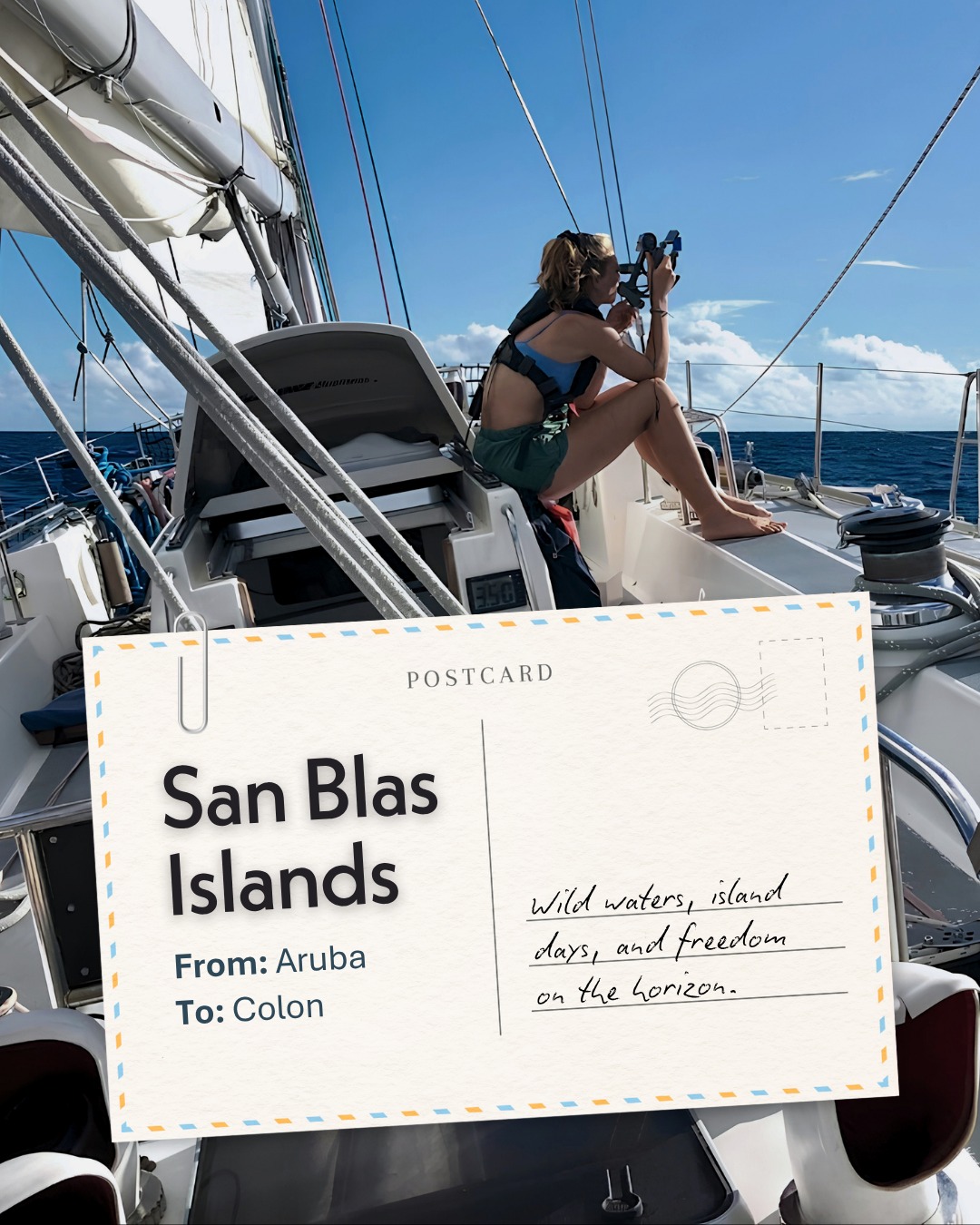
☀️ The San Blas Islands are calling 🌴
In February 2027, we’ll be sailing from Aruba across the Caribbean to the palm-fringed anchorages of the legendary San Blas Islands, before continuing on to Colón, Panama.
Around 700 nautical miles of open-water sailing, turquoise shallows, white-sand cays, remote anchorages and island time. We’ll settle into life at sea, explore the islands, and soak up tropical freedom.
A Blast in San Blas
31 Jan – 8 Feb 2027
Aruba → San Blas Islands → Colón
Somewhere between the sea, the islands and the horizon, this one might just be worth answering the call.
Find out more and book your place on our website.
🌐 www.panexplore.com
#Panexplore #Sailing #TrySomethingNew #SailingInstagram #Caribbeans
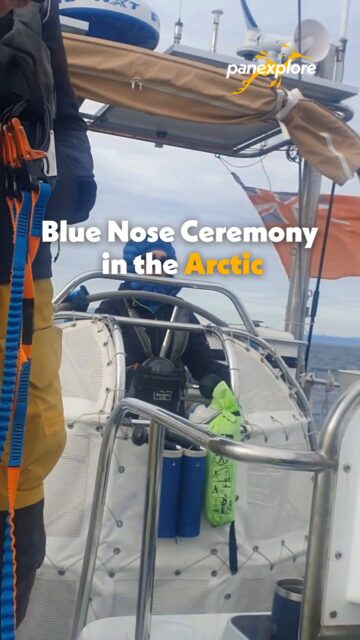
Crossing into the Arctic Circle is a rite of passage few get to experience ⚓✨
During our Blue Nose Ceremony, Skipper Ineke read Neptune’s message, clearing our crew for safe passage through the realm of ice and cold. A moment of tradition, adventure, and connection on the open sea 🌊⛵
Would you brave the Arctic waters? 👇
#SailingLife #ArcticCircle #BlueNoseCeremony #Panexplore #SVSeaDragon #OceanAdventure #SailingCommunity #WomenWhoSail #ExpeditionSailing #MaritimeTradition
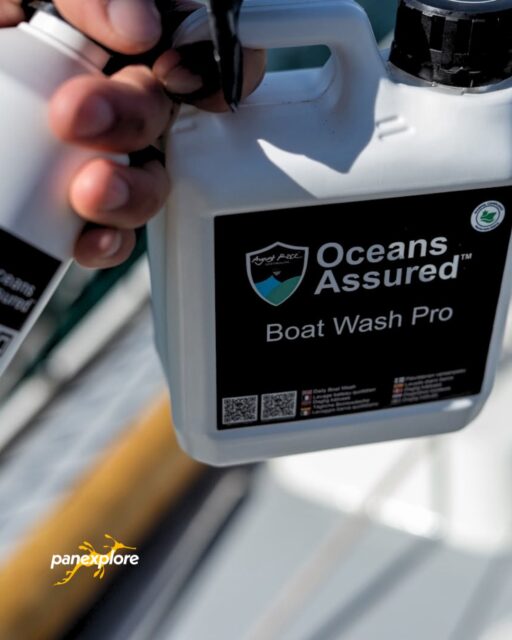
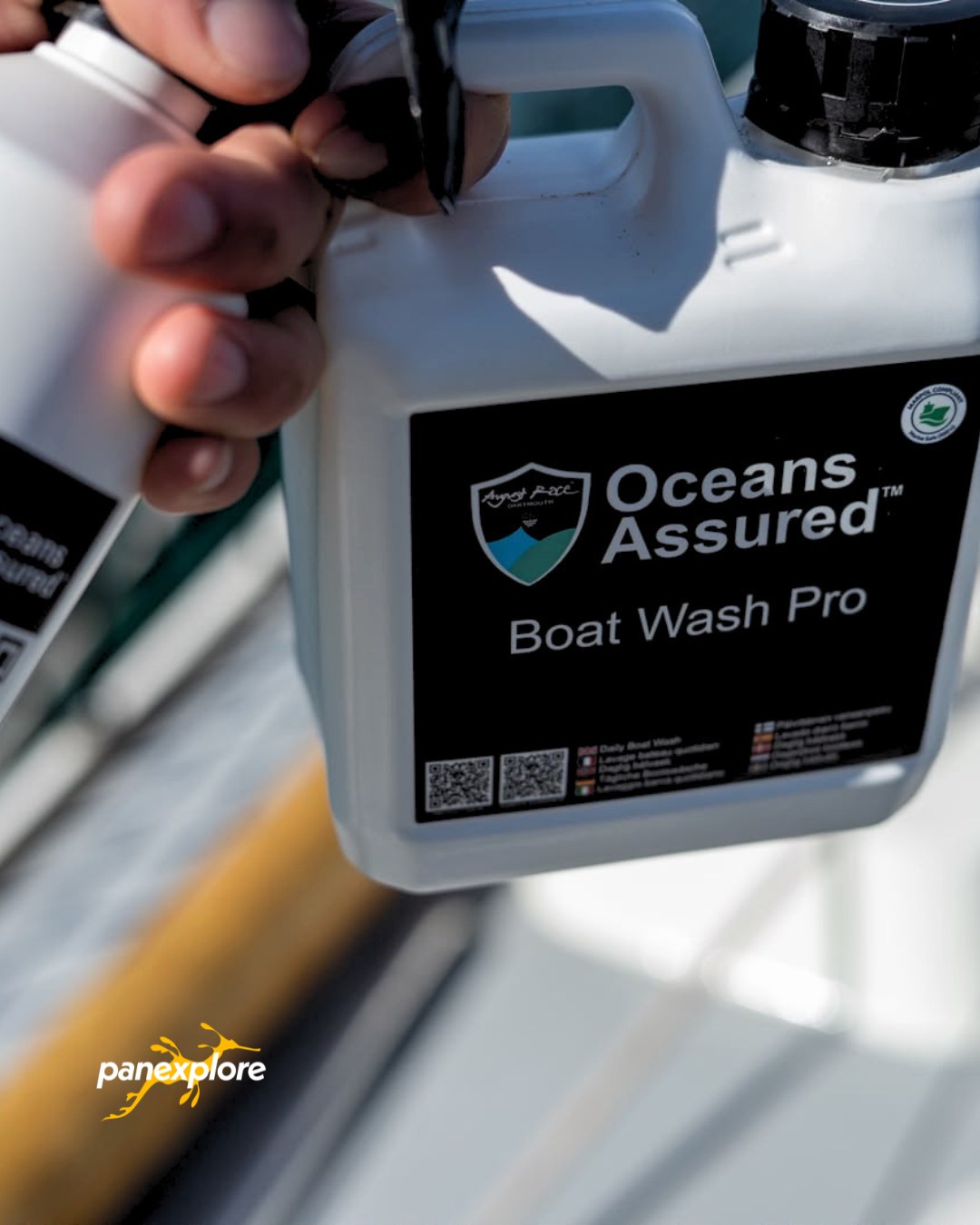
We’re delighted to welcome August Race @augustrace as a Panexplore partner!
Every expedition leaves an impact, and choosing the right products is one of the ways we can help minimise ours. August Race creates cleaning products specifically designed with the marine environment in mind, and is the only cleaning product range compliant with MARPOL Annex V.
As we travel through remote waters and spend more time offshore, we believe looking after the places we visit should be part of every expedition. That means making thoughtful choices about the equipment, products and practices we bring on board.
We’re proud to partner with August Race as we continue exploring with a greater focus on protecting the marine environments that make these adventures possible.
Here’s to cleaner boats, cleaner waters and many more miles of responsible exploration. 🌊⛵
#Panexplore #LifeAtSea #ExpeditionSailing #SailingInstagram #SailingGear #Partnership
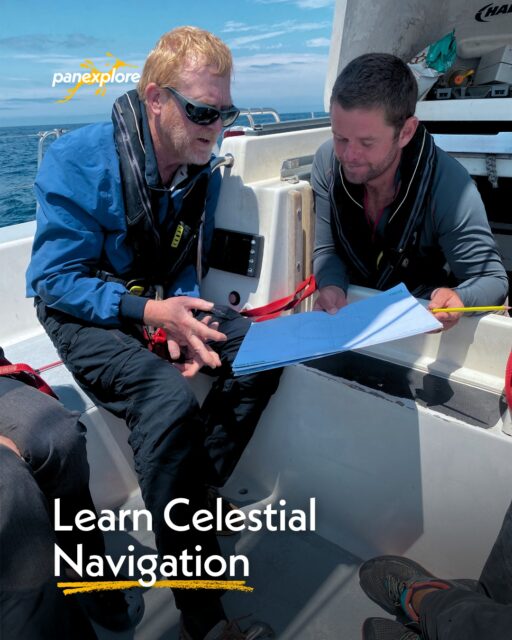
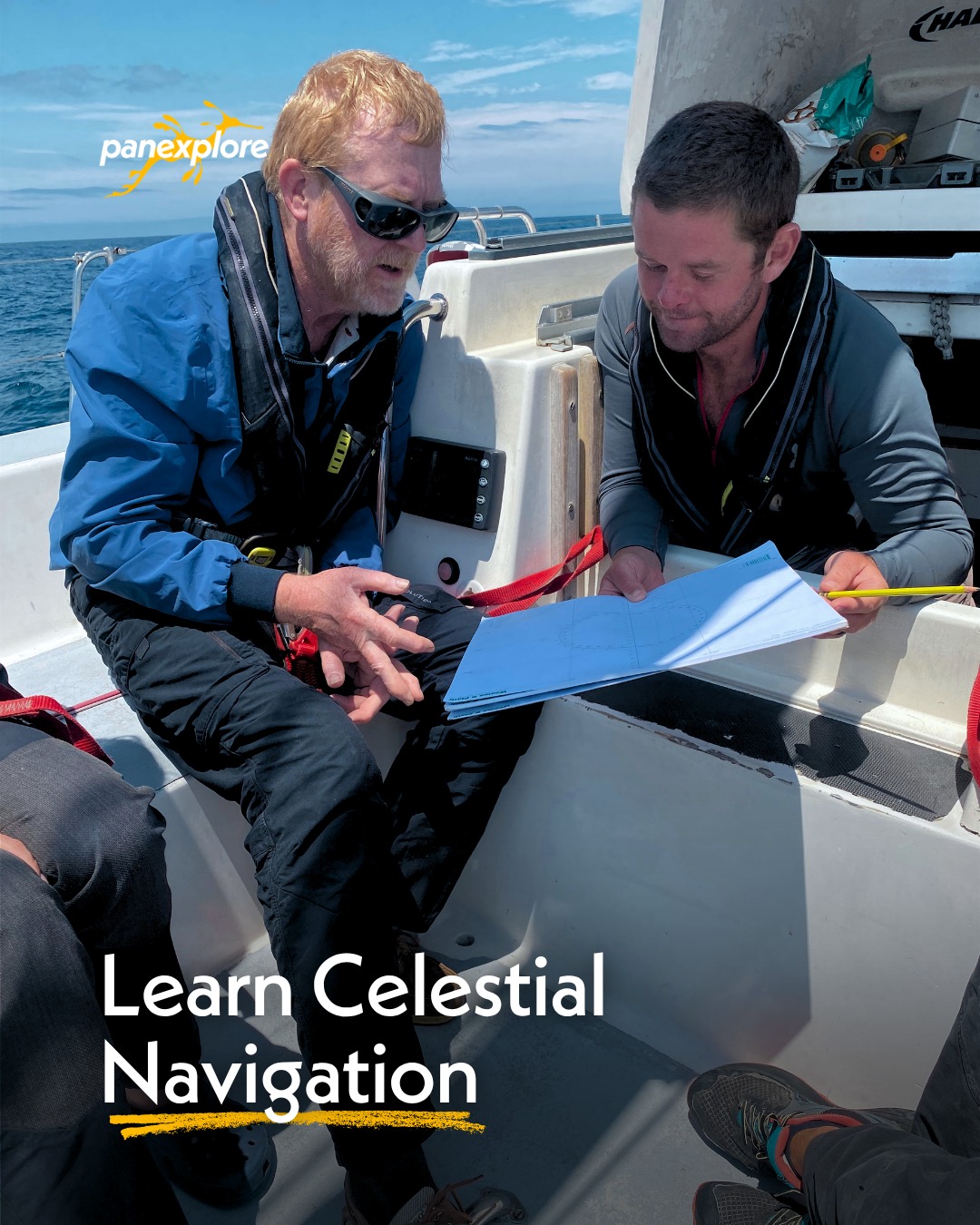
✨ Celestial navigation is one of the oldest ways to find your way at sea, and there’s nothing quite like putting it into practice offshore.
Join us for an offshore passage and work towards qualifying for your Ocean Yachtmaster while developing your celestial navigation skills along the way.
We’ll have sextants and all the required documentation onboard, with our Skipper and 1st Mate on hand to coach you through taking your sights and putting them to use.
Feeling ready for more responsibility? You may even get the chance to take charge for 24 hours and see if you can navigate us to where we want to go!
Ready to put your skills to the test?
👉 DM us to find out more and request our availabilities.
#Panexplore #Sailing #Adventure #SailingInstagram #CharterYacht
Before GPS, sailors relied on the stars, the sun, and a sextant to find their way across vast ocean stretches. 🧭✨
Here’s a quick 1-minute breakdown of how this classic instrument works onboard SV Sea Dragon during Yachtmaster training!
Ever tried celestial navigation? Let us know in the comments! 👇
#Sextant #CelestialNavigation #SailingSkills #Yachtmaster #Panexplore #SVSeaDragon #OceanNavigation #SailingTips #TraditionalSailing #SailingLife
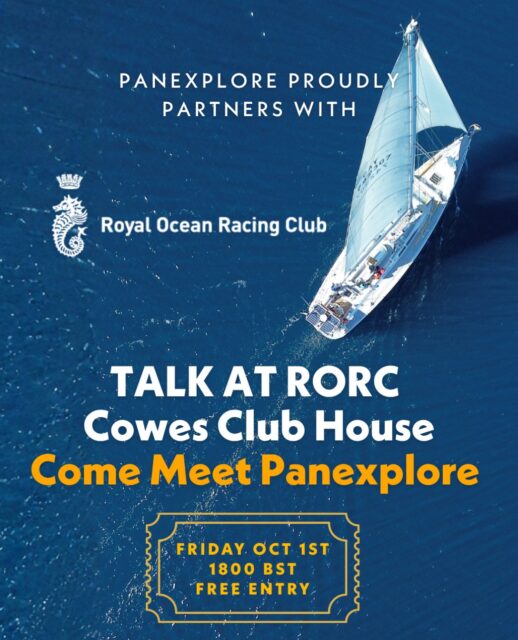
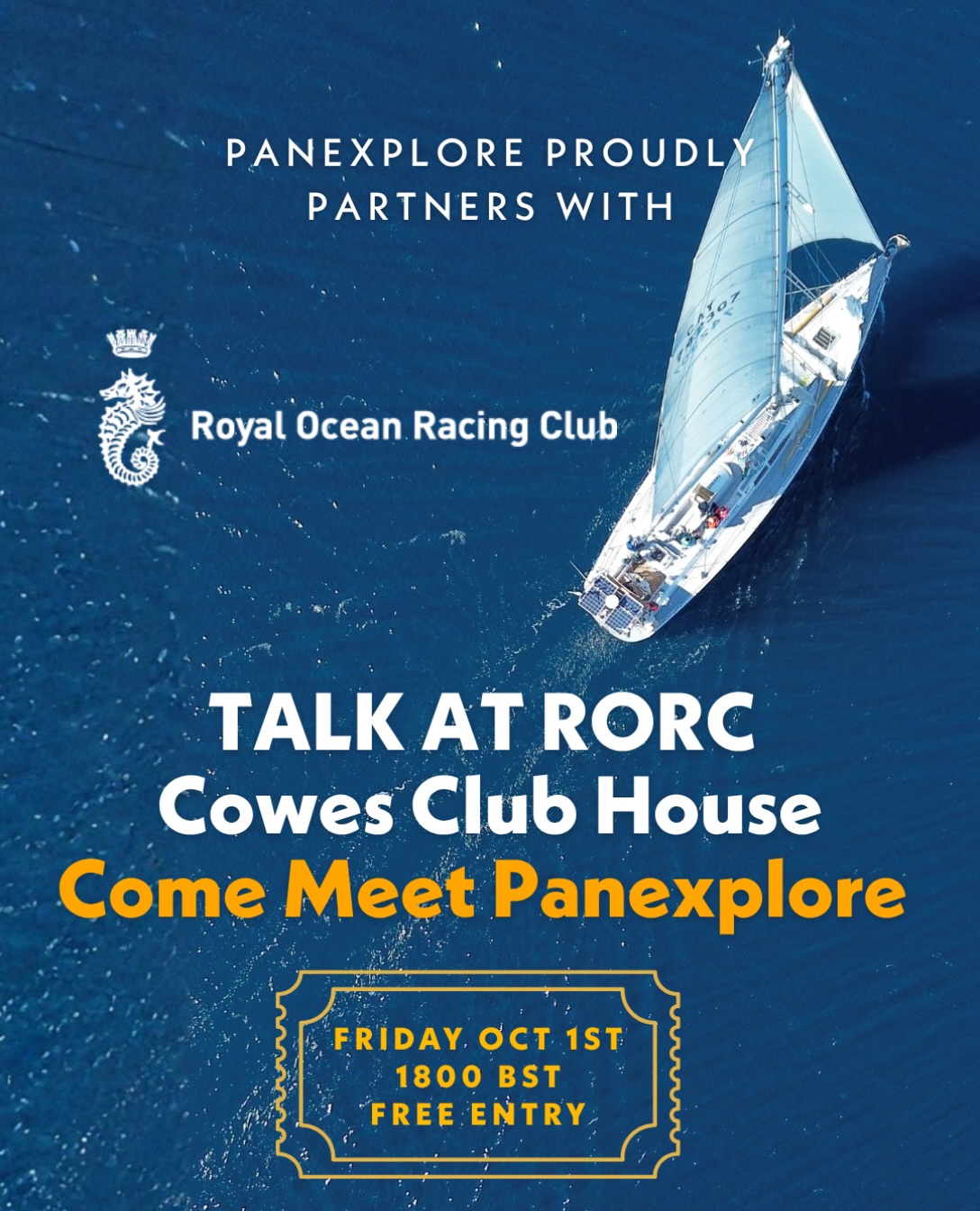
Exceptional opportunity to meet the team at @rorcracing Cowes Clubhouse on October 1st at 1800 BST for a Talk about how we operate SV Sea Dragon - a Challenge 72 yacht refitted to sail around the world without a dedicated maintenance team nor home port or container. Being commercially coded Cat 0 by the UK MCA while flagged in the Cayman Islands and owned by a US company is always a joy, that’s before we start working on our 110V system, with our UK supplied engine, our british sized jammers and our US-sized lines. We had to identify a network of reliable and expert contractors, a gigantic servicing calendar that competes with a ballet dancing sheet and our very own app to manage all our boat systems, inventory and maintenance log.
We’ll open up our black box of operational genius that makes us look like we effortlessly run a truly global expedition yacht! Spoilers: we sweat a lot underneath the great looks 😅
🔗 sign up link in Bio!
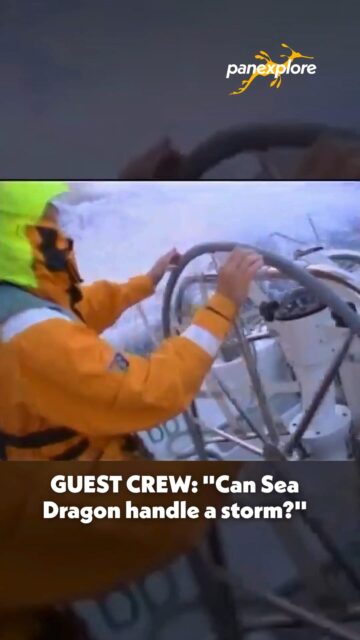
We get asked the questions all.the.time!
Will they be safe on the world’s toughest oceans 🌊⚡
SV Sea Dragon was designed to conquer extreme conditions, heavy seas, and gale-force winds with strength and reliability. When nature turns up the dial, she’s right in her element.
Ready to experience true offshore expedition sailing? Link in bio to join a future voyage! ⛵
#ExtremeSailing #StormSailing #HeavyWeather #SVSeaDragon #Panexplore #OceanExpedition #OffshoreSailing #SailingBoat #AdventureSailing #OceanGale
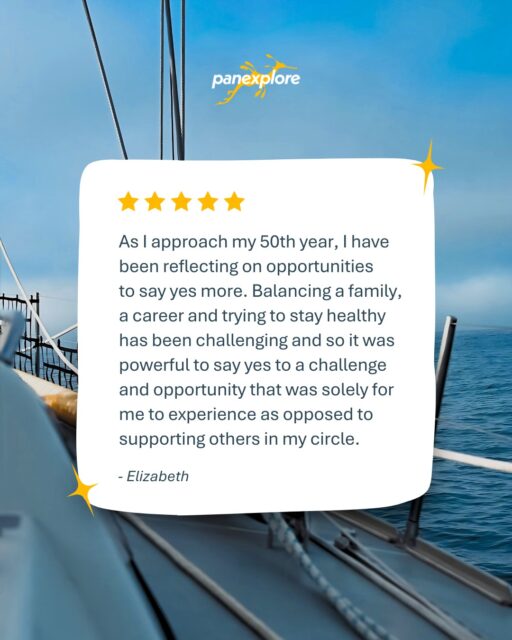
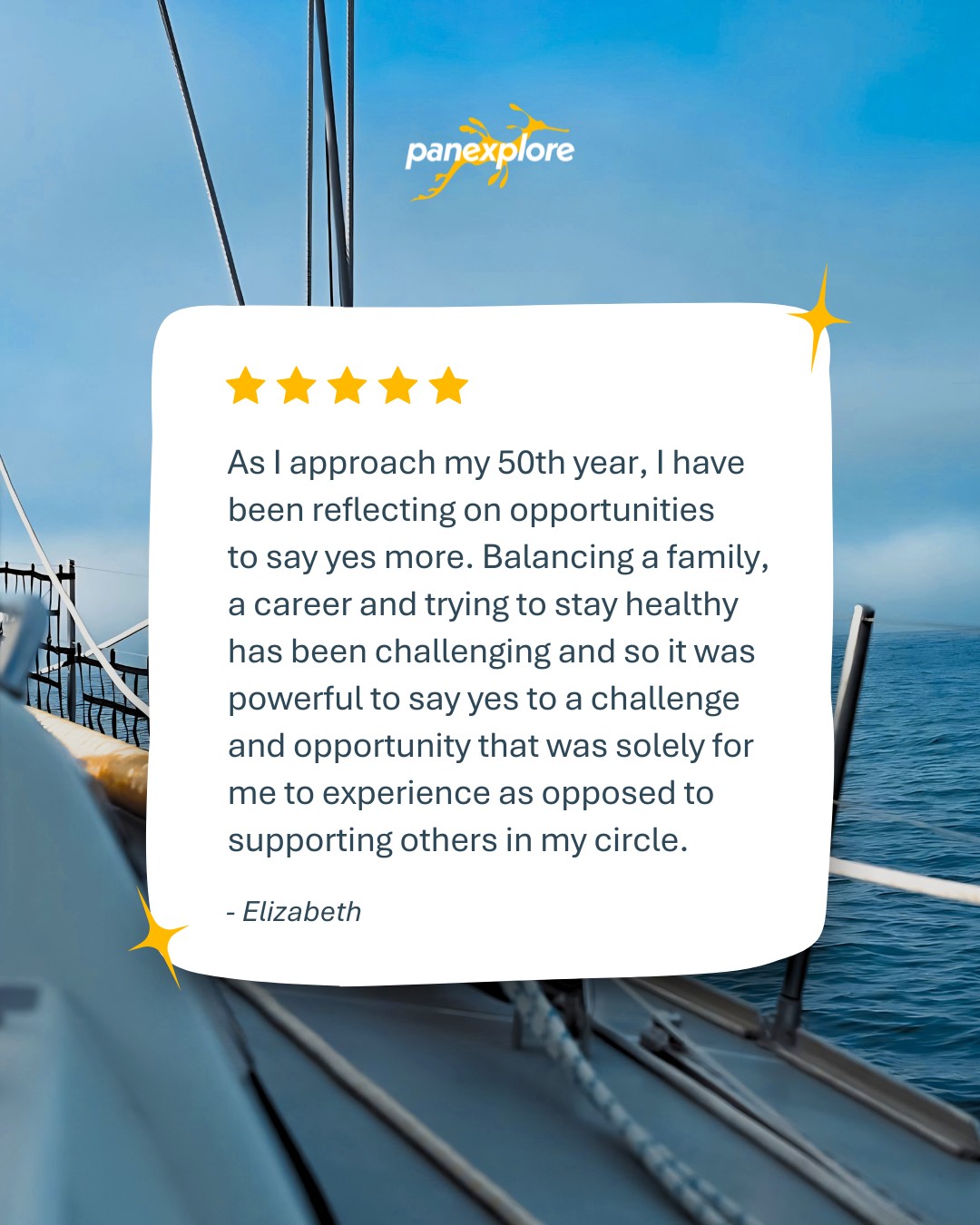
Sometimes, the most meaningful adventures begin with simply saying yes.
Stepping aboard for an expedition offers the chance to do something different: challenge yourself, experience something new and make space for an experience that’s entirely your own.
This review is a beautiful reminder that adventure doesn’t have to wait for the “right” time. Sometimes, saying yes to yourself is the challenge worth taking.
Thank you for sharing your experience with us. We’re honoured to have been part of your journey and hope this is just the beginning of many more adventures ahead. 🌊⛵
#Panexplore #SailTheWorld #DreamTravel #OceanAdventures #SailingInstagram