Adventure Sailing

Join one of our adventure sailing trips in 2021 as we explore the Pacific!

Expedition Charters

Looking for an experienced crew to take your team on their next expedition?

What We Do

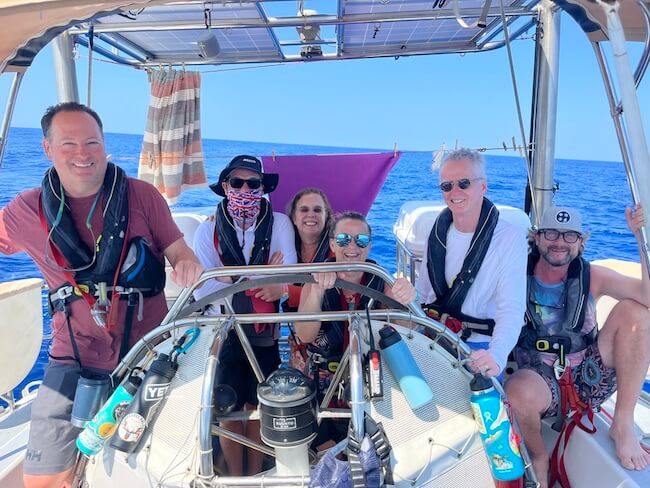
Pangaea Exploration operates expedition and research charters throughout the world’s oceans. In between these voyages, we offer up our superb platform and our excellent crew to the public for sail training and adventure sailing voyages.

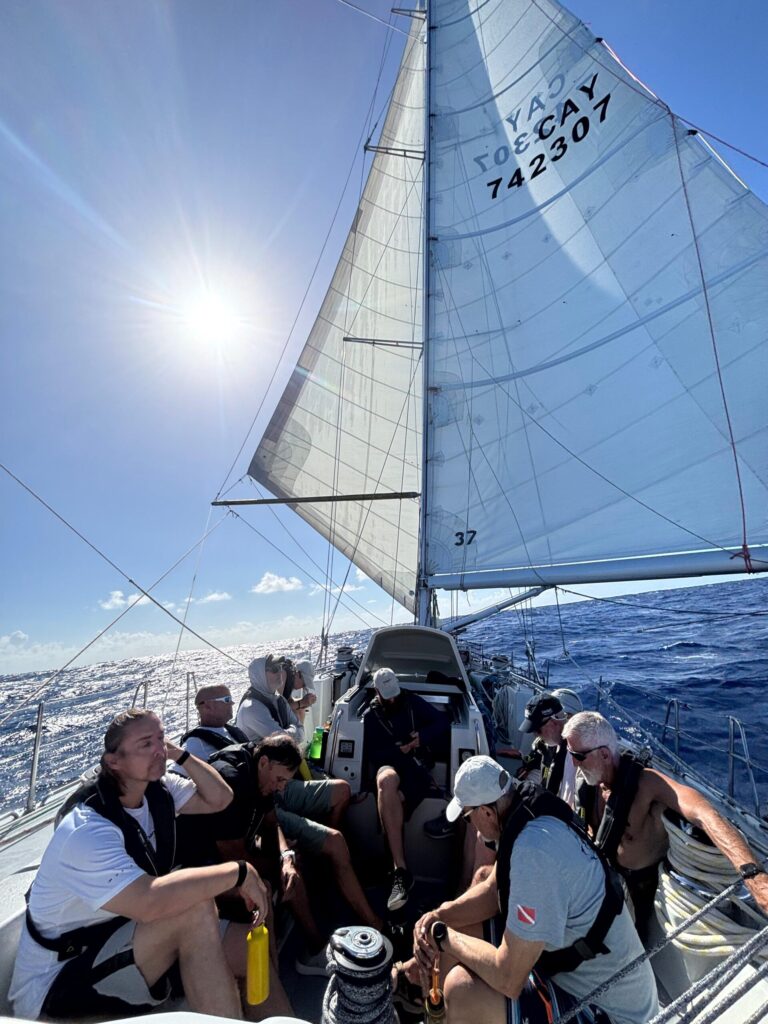
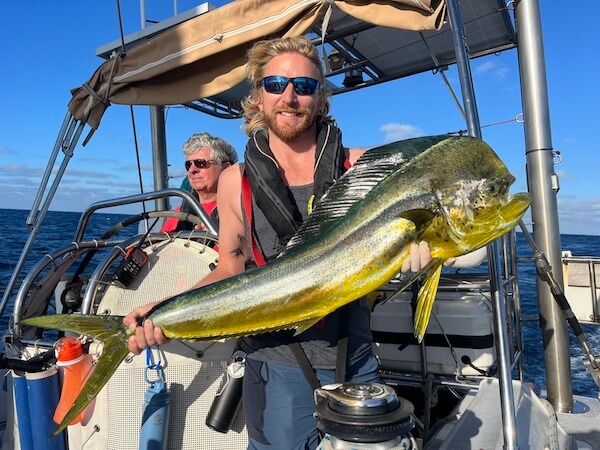
If you’ve ever dreamed of crossing an ocean, visiting remote tropical islands, or just taking an out of the ordinary sailing vacation, this could be the opportunity of a lifetime. Our guests are normally split 50/50 between sailors looking for a bit of blue water and adventurers who have never stepped foot on a boat in their lives. We offer adventure sailing voyages ranging in length between 1 and 4 weeks, anything from coastal cruising exploring islands to crossing oceans and learning celestial navigation.

In our work as a research vessel, we have worked with some of the world’s leading researchers and institutions. Work conducted on board has spanned from microplastics to coral, and water sampling to whales. We were an integral part of discovering the existence of microplastic pollution in the Atlantic and Pacific Oceans, have supported many diving trips, whether to find un-charted seamounts off the coast of Brazil or help in the search for “super reefs” in the Pacific. We have been a film platform for television programs on humpback whales and marine toxicology, as well as spending time in fresh water, sailing to the center of the North American continent through the Great Lakes.

Our Mission

At Pangaea, we strongly believe in the importance of connecting people with the sea. To that end, we have two main priorities: research expeditions and adventure sailing voyages. First, we provide a more affordable and eco-friendly platform for researchers to reach remote regions. Traditionally, these types of projects would need to be conducted on board large ships, costing up to 10 times more per day to operate and consuming more fuel in an hour than we do in a year. Secondly, we feel strongly that if people get a chance to get out on the ocean and experience it the way we do, they will better understand the importance of the sea. With this in mind, we offer adventure sailing voyages that provide this opportunity to people who range from complete beginners to experienced sailors.

Our Crew & Experience

We have been operating Sea Dragon throughout the Atlantic and Pacific for the past 10 years building an excellent reputation for safe, effective & efficient sailing voyages. Our experienced crew has covered over 200,000 nautical miles – not only developing a strong background in sailing education but also the skills to effectively and safely sail anywhere in the world. With sailing experience from Chicago to Stockholm, Africa to Patagonia, Greenland to Japan – our crew are excited to have you on board and share their knowledge of the world’s waterways.

Sea Dragon

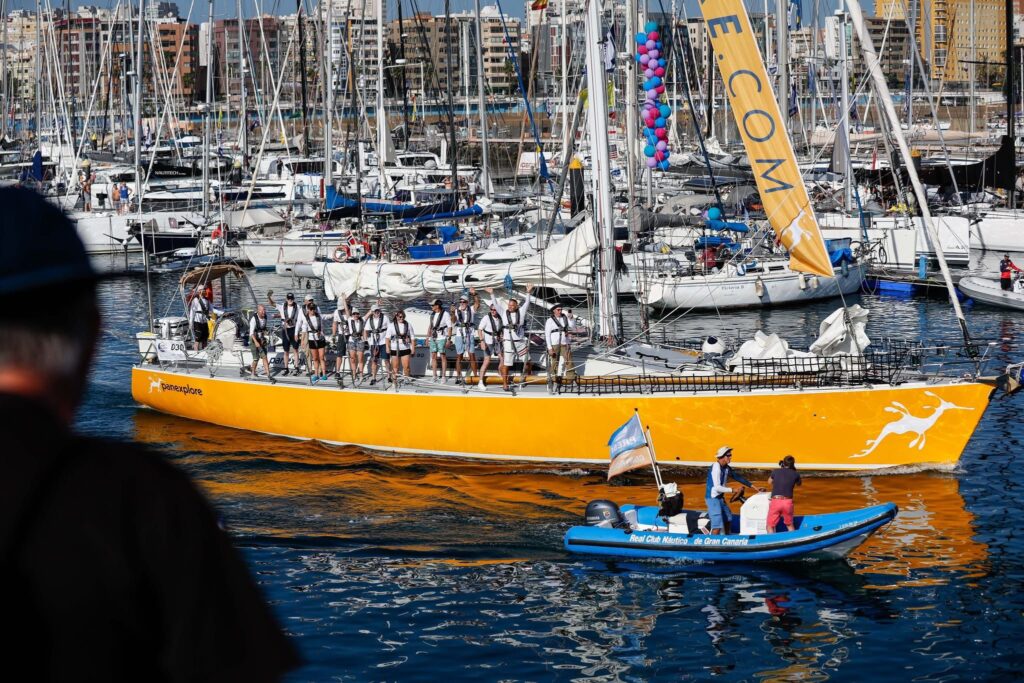
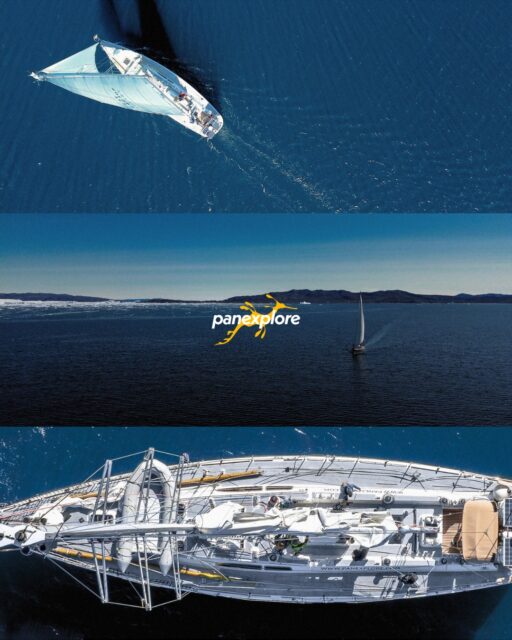
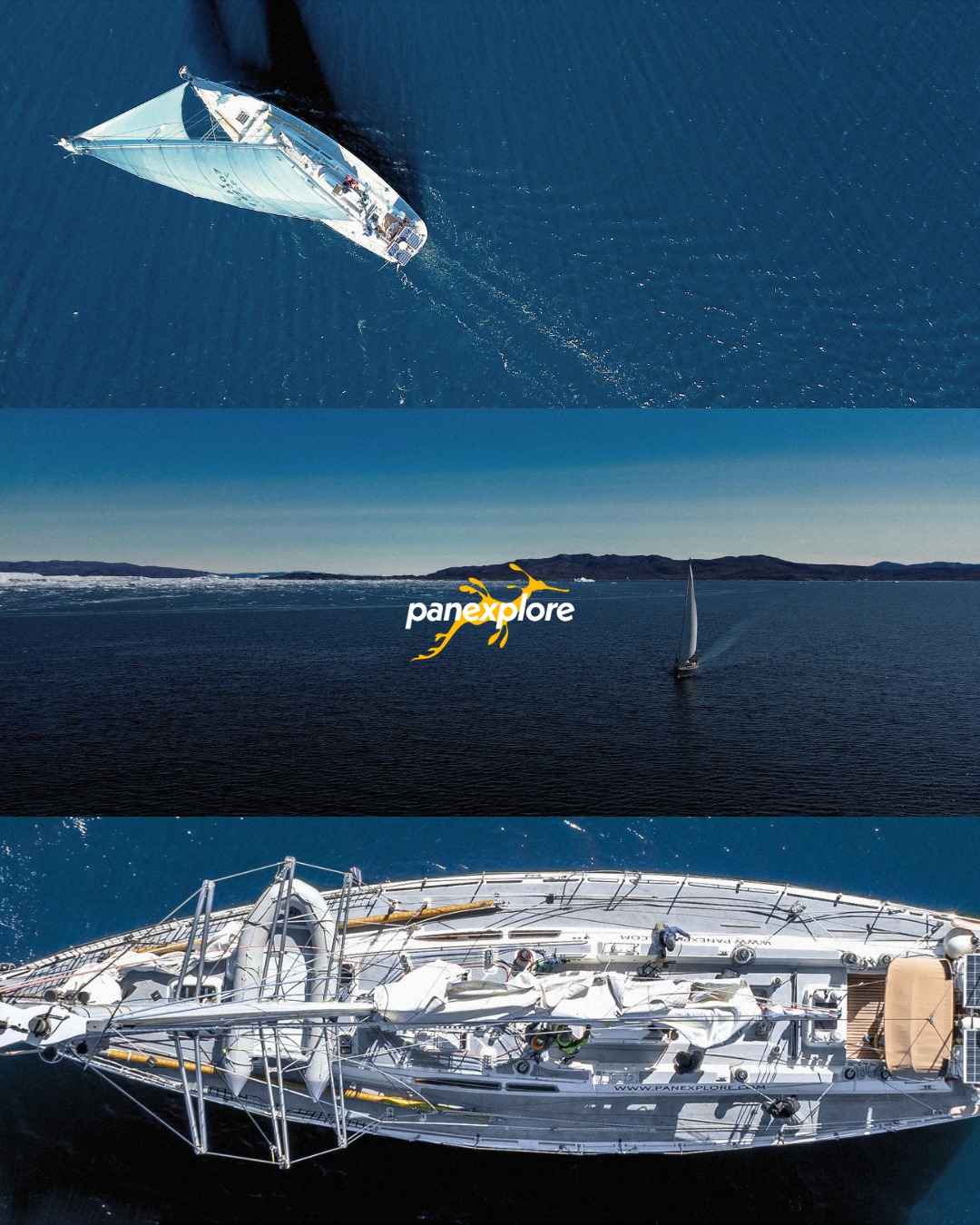
We sail throughout the world’s oceans aboard Sea Dragon, our 72ft expedition yacht. Sea Dragon was built as one of twelve steel ships for the British Steel Global Challenge, the toughest yacht race in the world. She has circumnavigated the world twice – both times upwind in the southern Ocean. Sea Dragon has gone through extensive refits in order to be more suitable as a teaching and research platform while maintaining her true rugged heritage. Sea Dragon can carry up to 15 people on unsupported voyages up to two months in length in any of the world’s oceans.


Ship's Log

We’ve got the Power!

Power onboard Sea Dragon:

We often get asked about our systems and power onboard Sea Dragon, sometimes by people looking to live more off grid, other times by people looking to buy their own boat and mostly by people wondering how much they can charge their phone! The answer to the last is, as much as you’d like! We have upgraded our electrical system recently and we thought we would answer a few common questions with a few technical bits. 

What type of batteries and how much power have you got onboard?

We have 6 x 12V 160ah batteries onboard and this makes a 24V system of 780ah for our house bank. The engine also has a separate 24V starter bank and our generator has a 12V starter battery. We have the option of linking the engine and the house bank together in an emergency like the engine starter battery is flat. This is enough power for us to run our systems whilst sailing for 14-20 hours before needing a charge with heavy use of electrics onboard. 

What charges them?

There is a few answers to this!

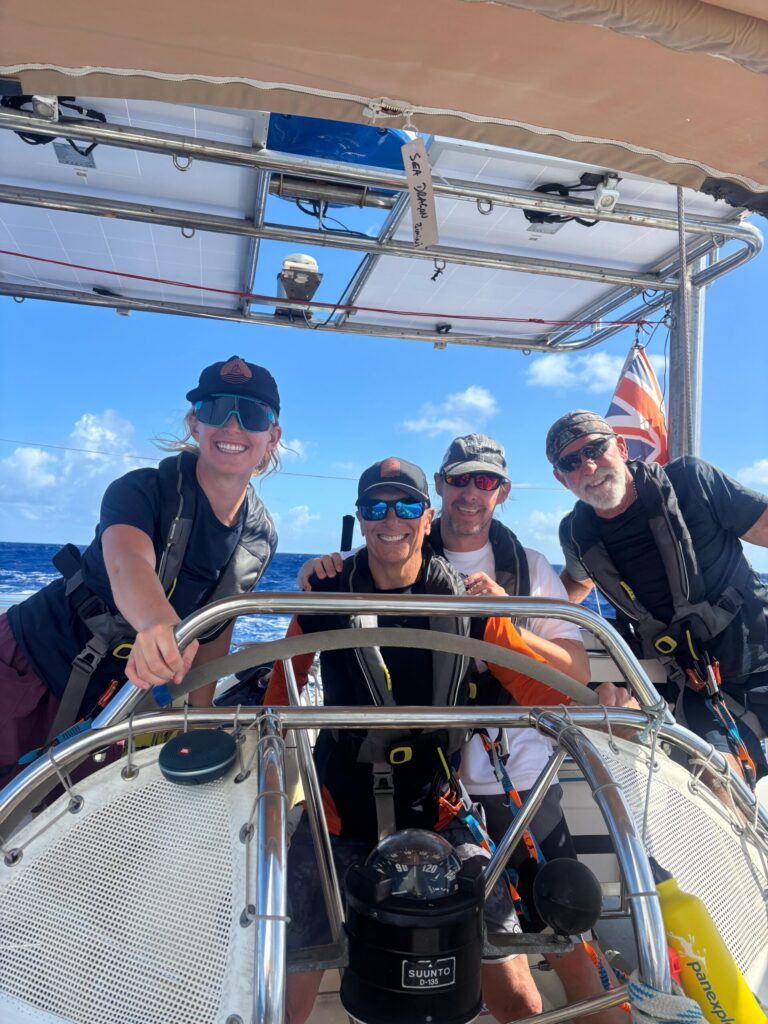
Renewables: We have 2 Solar panels onboard and we have just upgraded our wind turbines to 2 x 400W Primus Air X, this can bring in a lot of extra/free power. Our turbines works the best when there is lots of wind. Under 20knots apparent we get about 5-10 amps in, In above 24 knots apparent we can get 15-20amps of power from these which is awesome. So for upwind in the trades like at the begging of crossing from Hawaii to Mainland USA we really only need to run the generator for the Watermaker. 

Generator: This can give us 50-60amps at 120V AC. This feeds into our Mastervolt system that consist of an inverter/charger and 2 other 60amp chargers. The Mastervolt system charges the house bank. We tend not to use all 3 chargers at the same time as it is a little unnecessary but its great to have spares if one has a fault. 

Engine: Our engine is fitted with a 24V DC alternator, this feeds directly into the batteries. This brings about 20-30amps in depending on the speed we are running the engine at. Our engine also uses its heat to heat up the hot water for showers so that doesn’t go to waste. So a major bonus of motoring through the North Pacific High is unlimited hot water and showers for all! 

How do you conserve energy?

Sea Dragon is set up for long remote voyages, so her system can be simplified very easily, we can switch on or off systems happily if needed. 

We try and conserve power onboard as much as possible as we don’t like using Diesel, its noisy for one! But we also appreciate the need to keep up hygiene and have enough charge to get some good photos of your experience at sea!

Few things we encourage:

Use the manual foot pumps for water in the sinks, not the pressurized water system. 

Use the plugs in the sinks when washing up, this conserves water meaning reducing the time the watermaker is running.  

Turn off yours and your crew mates fans when not in use. 

Turn off lights when not in use. 

Don’t use auto pilot after all we are all here to sail! 

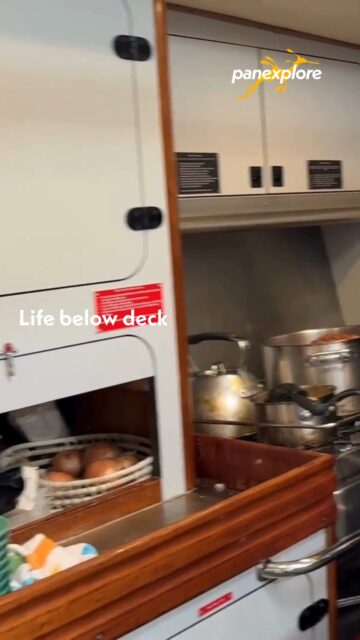
In conservation mode we take out the unnecessary, we can run on one fridge, the heads and galley have manual foot pumps, we have manual bilge pumps throughout. We can reduce showers or in extreme cases none at all. 

We carry over 1700L of water onboard so if you take out showers and wash up in salt water, with 14 onboard we could go for 40 days at sea with everyone having 3L of water a day. None of our trips are that long!

What draws the most power?

Our Watermaker, it draws around 30 amps at 24V, It has a low pressure pump and a high pressure pump that run constantly, If we ran it without the Generator or Engine on we can do about 40mins before the batterys get too low whilst sailing. Thats about 50 gallons of water. We usually go through 1 out of 4 tanks a day. So we top that up every day. This takes about an hour and we always run the Generator at the same time. 

The Autopilot, Sea Dragon does have one, it uses a lot of power and it is not as good as the crew at helming and certainly not as much fun. Tend to only use this in flat conditions if the engine is on. 

Fridges and Freezers. We have 1 mini fridge that is 110V and 1 Freezer also 110V, then a larger fridge on 24V. These are constantly on unless we have eaten everything! 

How much power do you draw whilst sailing normally? 

Around 8-10amps at 24V. 

What happens if you were unable to charge the batteries or had battery failure:

It would be incredibly unlucky if we lost both our main engine and generator at the same time especially as we carry so many spares onboard and are pretty handy with engine maintenance.  More likely battery failure, like our last trip. Our batteries started to fail mid ocean.   

We carry 2150L of Diesel onboard and if we ran the generator constantly we would have enough fuel to run her for 29 days straight. Now this gets a little complicated when you have light wind patches and need to use the engine as that uses more Diesel.

What about if you lost your GPS/Navigational instruments through power failure?

Aswell as our Electronic Navigational system we have many manual or backup solutions to navigating if we had complete power failure, iPhones and iPads with apps such as Navionics and a few battery packs are always charged. We also have a battery powered hand held GPS and plenty of batteries. Then there is the Sextant which we teach onboard during the trips. Our Iridium go is also portable and can be powered by battery packs, it gives us our weather, emails to shore and position.

Offshore we would only worry about a fix once a day, switching on and off our back up/portable devices once a day is pretty easy.

We steer to the compass to keep us on track, feel the wind on our face and use the vane at the top of the mast. Use our log to keep track of conditions with the barometer and speed. Then nearing land we can use our hand bearing compass and paper charts to confirm our position. All of which we can teach you onboard.